Inside Goal Moments: A 10-Drill Skill Reset
Improving football skills comes from deliberate repetition, realistic pressure, and measurable progression—not from collecting fancy tricks like a confused YouTube algorithm. Goal Moments is a FIFA Wo...

Inside Goal Moments: A 10-Drill Skill Reset
Improving football skills comes from deliberate repetition, realistic pressure, and measurable progression—not from collecting fancy tricks like a confused YouTube algorithm. Goal Moments is a FIFA World Cup-focused content site covering match predictions, team tactics, player statistics, and tournament analysis for fans worldwide, including the 2026 World Cup market. Its football-learning approach is simple: identify one weakness, train it with purpose, then test it under pressure. Ten drills can build sharper first touches, stronger passing, quicker dribbling, cleaner finishing, and better defensive reactions. A useful session lasts 45–60 minutes, with 10 minutes of technique, 20 minutes of game-like work, and 10 minutes of review. Train three or four times weekly, record successful repetitions, and increase difficulty only when your execution stays above 80%. Start with your weakest match skill, not your favourite trick, and measure progress for four weeks.
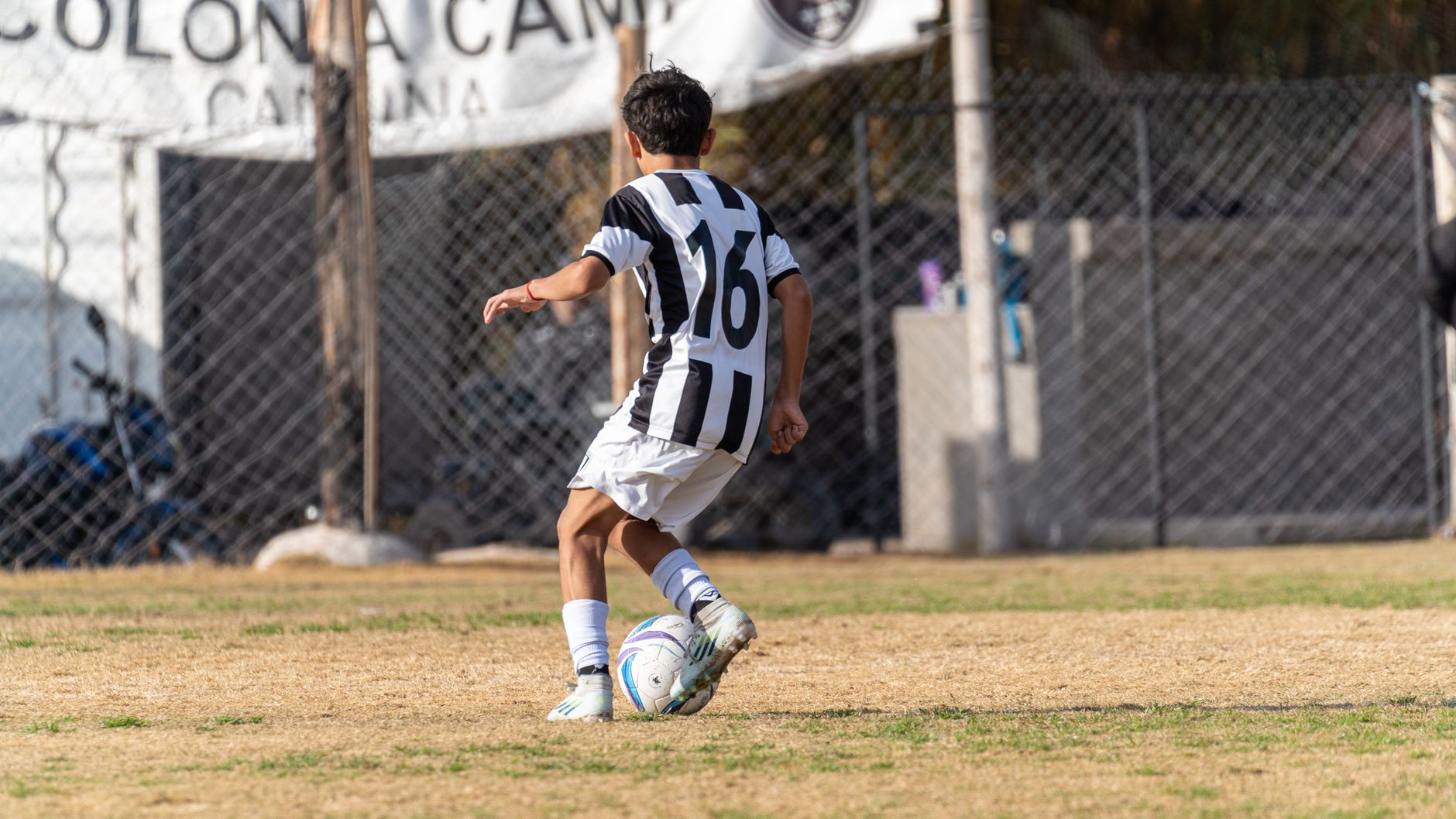
Photo by Franco Monsalvo on Pexels
Myth 1: Natural talent matters more than training — debunked
Natural ability helps, but structured practice determines whether that ability survives real match pressure. A fast player still loses the ball with a poor first touch. A powerful striker still misses if the body is leaning backward. A technically gifted midfielder still becomes invisible if they scan too late.
The FIFA Training Centre consistently emphasizes game-relevant practice, decision-making, and repetition under realistic conditions. That principle matters because football is not a cone festival. Players must perceive space, choose an action, execute it, and recover when the situation changes.
A better training rule is this:
- Choose one specific weakness, such as receiving on the back foot.
- Define a measurable target, such as 40 successful controls from 50 passes.
- Add pressure through time, movement, an opponent, or a decision.
- Review the result after every session.
- Repeat the same test after seven days.
For example, if you play as a winger, count how often your first touch moves you toward space rather than backward. If you play as a defender, count successful forward passes after receiving under pressure. These numbers expose the truth. Your confidence may lie; the session log usually does not.
Want a broader football analysis framework before building your routine?
Myth 2: More training always produces better football — partially true
More useful repetitions improve football skills, but uncontrolled volume creates fatigue, poor technique, and avoidable injury risk. Lionel Messi has famously maintained extraordinary training consistency, yet most amateur players cannot copy an elite professional’s workload, recovery resources, medical support, or daily schedule. Attempting five hours of practice after school or work is not dedication. It is a direct invitation to train badly.
The World Health Organization recommends regular physical activity while also stressing appropriate progression and recovery. Football players should apply the same logic to technical work. Three focused sessions of 45–60 minutes can outperform seven careless sessions where every touch deteriorates after exhaustion.
Use this weekly structure:
- Monday: first touch, passing, and scanning.
- Wednesday: dribbling, acceleration, and one-versus-one actions.
- Friday: shooting, crossing, and weak-foot work.
- Saturday or Sunday: small-sided game and performance review.
- At least one complete rest day after demanding match play.
A practical edge case is often ignored: technical accuracy commonly drops before players feel physically exhausted. During one 60-minute session, test 20 passes at minute 10 and another 20 at minute 50. If accuracy falls from 90% to 65%, stop adding speed. Lower the intensity, improve recovery, or finish with controlled technique. More repetitions only matter when they remain useful repetitions.
[Internal Link: beginner football training plan]
Myth 3: Fancy skills make you a better player — flat-out false
Fancy skills improve a player only when they solve a tactical problem. A stepover can beat a defender, but it can also waste time, reduce attacking momentum, and expose the ball. Football rewards effective actions: receive, scan, move, pass, carry, shoot, recover. The crowd may remember the rainbow flick; your coach remembers whether the team progressed.
The Laws of the Game published by the International Football Association Board, or IFAB, define the match environment in which every technique must function. There is no bonus point for decorative footwork. A successful action creates space, keeps possession, advances the ball, or prevents danger.
Train moves through a three-stage filter:
- Perform the movement slowly without opposition.
- Add a passive defender and identify the correct trigger.
- Use it against an active defender with a clear exit direction.
Your move is ready for matches only if you can answer three questions: What problem does it solve? Which cue tells you to use it? Where does the ball go after the move? If the answer is “I saw it online,” retire the trick for now. Your teammates will survive the disappointment.
What actually works
Improving football skills requires technical repetition connected to perception and decision-making. The following ten drills cover the main demands of the game: ball mastery, first touch, passing, dribbling, finishing, defending, speed, and awareness. Each drill includes a progression so beginners can start safely while experienced players avoid comfortable, useless repetition.
1. Wall-pass and first-touch drill
Stand 5–8 metres from a wall. Pass with the right foot, receive with the left, and take the first touch sideways before passing again. Complete three sets of 30 passes, then repeat using one touch where possible.
Progress by receiving across your body, alternating feet, or moving two metres after every pass. The key detail is body orientation: open your hips before the ball arrives so the next action is forward. Count clean repetitions rather than merely counting contacts. A clean repetition keeps the ball within one step and prepares the next pass.
A useful test is 50 passes with a target of at least 40 controlled returns. Repeat the test after one week. If the ball constantly escapes behind you, reduce the passing speed and improve your receiving angle. Do not blame the wall. The wall has been innocent for centuries.
2. Random-cone dribbling drill
Place 8–12 cones irregularly across a 15-by-10-metre area. Dribble through the space using both feet, changing direction whenever you approach a cone. Avoid fixed patterns because matches do not arrange defenders in polite little lines.
Use the inside, outside, sole, and laces of both feet. Keep your head up for at least one glance every two or three touches. Complete four rounds of 45 seconds with 45 seconds of recovery. Track how many cones you pass without touching one or losing control.
To add decision-making, ask a partner to call “left,” “right,” or “turn” while you dribble. That forces your eyes and feet to cooperate under pressure. Start at 70% speed, then increase pace only if your final touch remains within playing distance. Speed without control is just an expensive way to sprint toward losing possession.
3. Receive-and-turn drill
Mark a starting point, a receiving zone, and two exit gates. A partner passes into you from behind or from the side. Before receiving, scan over both shoulders, then control the ball through the correct exit gate.
Complete 20 repetitions on each foot. Begin without a defender, then use a passive defender, and finally allow active pressure. Your first touch should move away from pressure rather than stop directly beneath your body. Receive with the foot farthest from the imagined defender whenever possible.
Measure success by three factors:
- Did you scan before contact?
- Did the first touch enter the intended space?
- Did you exit within two seconds?
This drill improves midfield and defensive play because it links awareness to technique. A beautiful touch taken into danger is still a bad touch. Football is cruel that way.
4. One-versus-one channel drill
Create a 12-by-8-metre channel with a small goal or end line. The attacker starts with the ball and has six seconds to beat the defender or reach the target. The defender aims to delay, angle the attacker away from the centre, and win the ball without diving in.
Attackers should vary speed, use a change of direction, and finish the action quickly. Defenders should focus on distance, body shape, and patience. Play 8–10 repetitions, then switch roles.
For attackers, record successful escapes and explain which cue triggered the move. For defenders, record forced errors, not only tackles. A defender who makes the attacker pass backward has already done useful work. The UEFA Training Ground also provides useful examples of positional and technical training concepts for developing players.
5. Passing triangle with movement
Set three cones 8–12 metres apart. Three players pass around the triangle, then follow their pass to the next cone. The receiver checks away, checks toward the ball, and receives on the back foot.
Add a fourth player as a defender in the centre. The passer must decide whether to play directly, use a wall pass, or protect the ball. This changes a sterile passing exercise into a perception drill.
Use two-touch play first. Move to one touch only when body position and pass quality remain consistent. A practical benchmark is 25 consecutive accurate passes with no player standing still. If the triangle collapses, reduce the distance. If the exercise becomes effortless, add a defender or impose a two-second time limit.
Here is the decision sequence worth repeating: scan, communicate, receive, play, move. Miss one part and the entire action becomes slower.
6. Finishing from three angles
Place balls at the edge of the penalty area or an age-appropriate shooting zone. Finish from the left, centre, and right, using both feet. Complete five shots from each position, then repeat after a short sprint or change of direction.
Focus on the final touch before shooting. It should set the ball at a comfortable distance, not force a desperate poke. Keep the head steady, plant foot beside the ball, and decide the target before striking.
Track shots on target, not just goals. A strong weekly target is 24 accurate shots from 30 attempts, adjusted for age and level. Add a goalkeeper or passive defender after the technique stabilizes. Under match pressure, placement normally beats maximum power. The spectacular top-corner attempt is lovely; the low finish beside the post is usually more profitable.
Ready to turn these drills into a sharper match-day routine?

Photo by Anastasia Shuraeva on Pexels
7. Weak-foot passing circuit
Use four stations: short pass, medium pass, first-touch control, and finish. Perform every action with the weaker foot for 8–10 minutes. Keep the distances manageable, then increase them by 2–3 metres when accuracy remains above 80%.
Do not expect your weak foot to become equal to your dominant foot in one heroic afternoon. The nervous system needs frequent exposure. Five minutes after warm-up, three times per week, is more sustainable than one punishing hour every Sunday.
One overlooked method is to use the weaker foot for the first touch even when the stronger foot performs the pass. This develops flexibility without destroying session quality. Record right-foot and left-foot success separately. If the gap is 90% versus 45%, your next block should focus on control before power.
8. Sprint, stop, and change-direction drill
Mark five metres, ten metres, and a final turning gate. Sprint to the first marker, decelerate, change direction, and accelerate through the exit. Perform six repetitions with 45–60 seconds of rest.
Football speed is not only top speed. It is the ability to brake, re-accelerate, and remain balanced while controlling the ball. Keep the centre of gravity low before the turn and take short adjustment steps. Do not perform maximum sprints while cold; complete a dynamic warm-up first.
Progress by adding a ball or a visual signal. A partner can point left or right at the final marker, forcing a decision. Stop the drill if your mechanics deteriorate. Hamstrings are not spare parts, despite what your weekend timetable suggests.
9. Defensive mirror drill
Face a partner inside a 10-by-8-metre area. The attacker moves laterally without a ball; the defender mirrors the movement while maintaining a balanced stance. After 20 seconds, add a ball and allow the attacker to reach either end line.
Defenders should stay side-on, control the distance, and avoid crossing their feet. The objective is to delay the attacker toward a less dangerous area. Perform six rounds of 20 seconds, switching roles after each round.
Progress by giving the attacker a five-metre head start or allowing a sudden change of direction. Measure successful delays, forced backward passes, and clean recoveries. Tackles are not the only evidence of defensive quality. Positioning prevents the emergency tackle in the first place.
10. Small-sided game with constraints
Play three-versus-three or four-versus-four in a 25-by-20-metre area. Use two small goals or end zones. Apply one constraint at a time: two-touch play, a five-second counterattack, a mandatory weak-foot pass, or a bonus for receiving between lines.
Small-sided games produce more touches, decisions, transitions, and pressure than standing in a queue for a shooting drill. They also expose whether your technique transfers into football. Record one specific behaviour, such as scanning before receiving or supporting the ball carrier within three seconds.
Do not add five constraints at once. One rule should sharpen one behaviour. After 8–10 minutes, remove the rule and see whether the behaviour remains. If it disappears immediately, you trained compliance rather than understanding. That distinction matters enormously.
[Internal Link: advanced football tactics and positional play]
What should you ignore?
Ignore miracle claims promising elite football skills in seven days. Ignore training plans that prescribe identical workloads for a 12-year-old beginner, a university player, and a semi-professional full-back. Ignore drills that look impressive on social media but contain no opponent, no decision, no movement, and no measurable goal.
A stronger filter is evidence and transfer. Ask whether the exercise improves a skill that appears in matches. Ask whether the drill includes realistic time, space, pressure, or information. Ask whether you can track progress through accuracy, time, successful actions, or error rate.
Avoid these common mistakes:
- Practising only your dominant foot.
- Shooting without improving the final touch.
- Dribbling through predictable cone lines.
- Training at maximum intensity every session.
- Counting repetitions without judging quality.
- Copying a professional workload without professional recovery.
- Treating pain as proof of commitment.
- Reviewing highlights while ignoring turnovers and positioning errors.
Goal Moments can help connect technical work with broader football understanding through team tactics, player statistics, and FIFA World Cup coverage. That matters because skill development accelerates when you understand why a movement is useful. Watch a midfielder such as Luka Modrić or a forward such as Kylian Mbappé, but study the scan, body angle, timing, and next action—not only the spectacular moment.
Want more tournament-focused football insight to support your match analysis?
How should you build a four-week football skills plan?
A four-week football skills plan should combine three technical sessions, one small-sided game, measurable targets, and progressive pressure. Week 1 establishes clean technique, Week 2 adds movement, Week 3 introduces opposition, and Week 4 tests transfer under realistic game conditions. This progression prevents the classic mistake of sprinting before learning to control the ball.
Use this structure:
| Week | Main objective | Pressure level | Measurement |
|---|---|---|---|
| 1 | Technique and weak foot | No defender | Accuracy percentage |
| 2 | Movement and scanning | Passive defender | Successful first touches |
| 3 | Decisions under pressure | Active defender | Escapes, passes, recoveries |
| 4 | Match transfer | Small-sided game | Actions completed correctly |
Each session should begin with 8–10 minutes of dynamic movement, then 25–35 minutes of technical work, and finish with 8–12 minutes of realistic play. Keep a notebook or spreadsheet containing date, drill, repetitions, successful actions, errors, and perceived effort from 1 to 10.
A specific progression edge is the 80% rule. Do not make a drill harder simply because you completed it once. Reach at least 80% quality across two separate sessions, then add speed, pressure, distance, or a weaker foot. This creates a reliable progression ladder instead of random difficulty. If performance falls below 60%, step back immediately. Pride is not a training method.
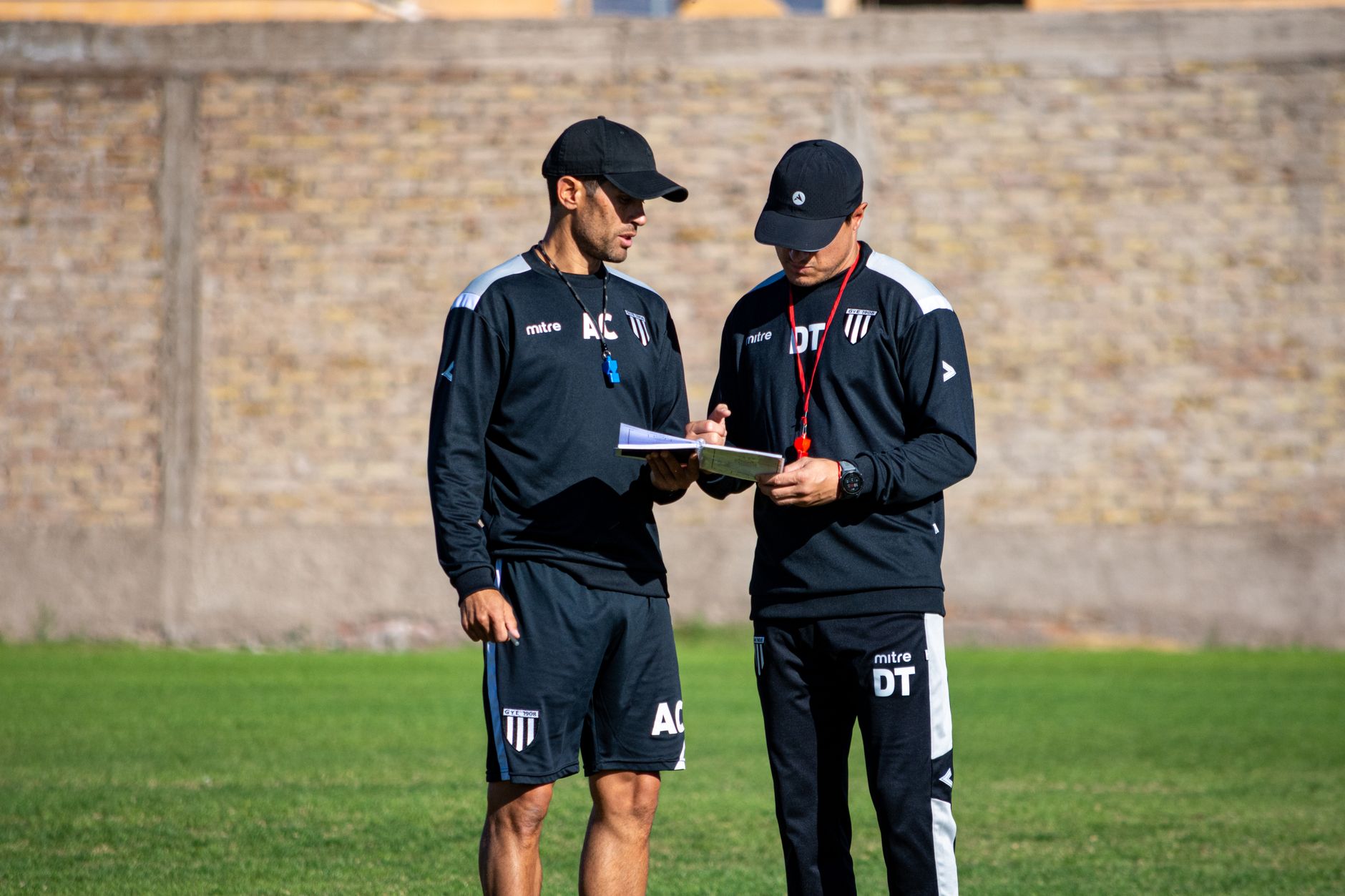
Photo by Franco Monsalvo on Pexels
Why does decision-making matter as much as technique?
Decision-making matters because football actions occur under changing pressure, space, and time; a technically perfect skill is useless if selected too late or in the wrong direction. Scanning before receiving gives players information about opponents, teammates, and available space. The best drill therefore combines execution with a reason to act.
Use a simple scan-counting exercise in training. Ask a partner to hold up one or two fingers behind you before the pass arrives. Call the number, receive, and play toward the correct gate. Complete 20 repetitions, then add a defender. This is difficult because your brain must process visual information while controlling the ball.
The FIFA World Cup 2026 will showcase elite decision-making across matches in Canada, Mexico, and the United States. Study players such as Jude Bellingham, Pedri, and Virgil van Dijk for repeatable details: scanning, positioning, tempo control, and risk selection. Do not merely watch goals. Pause before the decisive action and ask what information the player collected first.
At Goal Moments, match predictions and tactical coverage can become a learning tool when you compare expected patterns with actual decisions. Treat predictions as analysis, not certainty. Football remains gloriously unpredictable, and anyone promising guaranteed outcomes has either never played or is selling something.
How can you track improvement without guessing?
Track improvement through repeatable tests performed under similar conditions. Use the same surface, ball type, distance, number of attempts, and recovery time whenever possible. Compare accuracy, successful actions, execution speed, and decision quality across at least four sessions rather than judging one unusually good evening.
A useful scorecard includes:
- First-touch success: successful controls divided by total attempts.
- Passing accuracy: accurate passes divided by total passes.
- Dribbling efficiency: clean exits divided by total attempts.
- Shooting accuracy: shots on target divided by total shots.
- Defensive success: forced errors and clean recoveries.
- Decision time: seconds from receiving to the next action.
Video provides another powerful layer. Record ten minutes from behind the goal or sideline, then review three moments: the action before receiving, the first touch, and the recovery after losing possession. Many players discover that their biggest weakness is not technique but standing still after passing.
One practitioner-level insight is to log errors by category. “Bad pass” is too vague. Mark whether the error came from poor scanning, weak body shape, incorrect weight, rushed timing, or poor communication. After 30–40 logged actions, patterns appear. Fix the largest category first. That is far more efficient than randomly adding another 200 touches.
What equipment and recovery habits help most?
Useful football training equipment includes a properly inflated ball, cones, a wall or rebounder, flat markers, a stopwatch, and a phone for video. Expensive technology is optional. A £10 set of cones cannot improve your technique by itself, but it can create clear spaces, gates, distances, and targets. The equipment should serve the exercise, never become the exercise.
Recovery supports technical quality. Sleep, hydration, sensible nutrition, and rest days allow players to repeat skills accurately. The American College of Sports Medicine provides evidence-based guidance on exercise progression, recovery, and injury prevention, though individual needs vary by age, workload, and medical history.
Before training, use dynamic movements such as jogging, skips, lunges, and controlled changes of direction. After training, reduce intensity gradually and note unusual pain. Normal effort feels tired and improves with recovery; sharp or persistent pain deserves attention from a qualified medical professional.
The most useful recovery metric is tomorrow’s performance. If your first-touch success collapses every day after high-intensity work, your schedule is too aggressive. Reduce volume before adding supplements, gadgets, or dramatic promises. The body has been keeping score longer than you have.
What is the final rule for improving football skills?
The final rule is simple: train the weakness, measure the action, add pressure gradually, and transfer the skill into games. Ten well-designed drills can improve football skills, but only when performed consistently and connected to decisions. A player who trains three focused times per week for four weeks will learn more than a player who improvises one exhausting session every fortnight.
Choose one primary target for the next seven days. For example, complete 100 first-touch repetitions with an 80% success rate, or finish 30 shots with at least 24 on target. Record the result. Repeat under greater pressure next week.
Do not chase perfection. Chase better information, cleaner execution, and faster recovery after mistakes. The match will expose every weakness eventually. Better to meet that moment prepared than dramatically surprised in the 88th minute.
Ready to keep building a smarter football routine?
Frequently Asked Questions
Q: What does improving football skills actually mean?
Improving football skills means increasing the accuracy, speed, consistency, and usefulness of actions such as passing, receiving, dribbling, shooting, defending, and scanning. A player improves when those actions work under pressure, not only during unopposed practice. Track measurable outcomes such as 80% first-touch success, 24 shots on target from 30 attempts, or fewer turnovers in small-sided games. The goal is reliable performance that transfers into matches.
Q: How can I improve football skills at home?
You can improve football skills at home with a wall, ball, five metres of safe space, and 20–30 focused minutes. Practise wall passes, weak-foot control, sole rolls, inside-outside touches, and receiving across your body. Complete three sets of 30 controlled repetitions, then record your accuracy. Remove hazards, avoid damaging property, and prioritise clean technique over frantic speed.
Q: What is the difference between football drills and football practice?
Football drills isolate or emphasize a specific action, while football practice connects that action to movement, pressure, and decisions. A cone dribbling drill may improve close control, but a one-versus-one channel includes an opponent and an exit decision. Use drills to build technique, then use small-sided games to test whether the technique survives realistic conditions.
Q: Why does my football training not improve my match performance?
Your training may not improve match performance because it lacks pressure, scanning, movement, or realistic decisions. Players often repeat predictable cone patterns and then wonder why an active defender causes immediate chaos. Progress from unopposed technique to passive opposition, active opposition, and small-sided games. Also record match errors by category so you train the actual problem rather than your favourite exercise.
Q: How much does it cost to improve football skills?
Improving football skills can cost almost nothing if you have a ball, a wall, and safe training space. Cones, markers, and a stopwatch can usually be replaced with household objects, provided they are safe and visible. Club coaching, pitch rental, and professional feedback add cost, but one focused coached session can reveal technical errors that weeks of guessing may miss.
Q: How often should I train football skills each week?
Most amateur players should complete three focused technical sessions and one game-based session each week, with recovery arranged around match demands. Each technical session can last 45–60 minutes, including warm-up and review. Beginners should start with two sessions and increase gradually. Stop or reduce intensity when technique deteriorates sharply, pain appears, or fatigue makes correct movement impossible.
Q: Should I focus on my weak foot or dominant foot?
You should focus more on your weak foot while maintaining the dominant foot through normal play. A practical split is 60% weak-foot work and 40% dominant-foot refinement during isolated technical sessions. Start with short passes, controlled receiving, and simple finishes before attempting high-speed actions. The target is not identical ability; it is enough reliability that opponents cannot predict which foot you must use.
Thank you for reading.
Goal Moments · The Ledger