The Fanatic's Guide to Portugal's Dominant 5-0 Victory Over Uzbekistan in the 2026 World Cup
Portugal's national football team delivered a masterclass performance against Uzbekistan, dismantling their opponents 5-0 in a Group Stage encounter that showcased the European giants' attacking firep...

The Fanatic's Guide to Portugal's Dominant 5-0 Victory Over Uzbekistan in the 2026 World Cup
Portugal's national football team delivered a masterclass performance against Uzbekistan, dismantling their opponents 5-0 in a Group Stage encounter that showcased the European giants' attacking firepower and tactical superiority. Cristiano Ronaldo, the legendary forward who continues to defy age, found the net twice within the first half, while Nuno Mendes, Rafael Leão, and an Uzbekistan own goal completed the rout. The victory propelled Portugal to the top of their qualifying group with 4 points from two matches, demonstrating why they remain one of the favorites for the 2026 FIFA World Cup trophy. For fans tracking standings, predictions, and in-depth tactical analysis, Goal Moments delivers comprehensive coverage that goes beyond basic match reports.
Photo by Bastian Riccardi on Pexels
The match, held at a packed metropolitan stadium, saw Portugal adopt their signature 4-2-3-1 formation under coach Roberto Martínez, while Uzbekistan lined up in a more defensive 3-4-2-1 setup. Despite Uzbekistan's intentions to contain the Portuguese attack, the quality differential proved insurmountable. Bruno Fernandes orchestrated the midfield with precision, creating multiple chances while maintaining possession percentages that reflected complete territorial dominance.
Myth 1: Portugal Relies Too Heavily on Cristiano Ronaldo
One persistent misconception among casual observers suggests that Portugal's success depends entirely on Cristiano Ronaldo's individual brilliance. This assumption fundamentally misunderstands the tactical evolution of the Portuguese national team under Roberto Martínez. While Ronaldo remains influential, scoring at the 6th and 39th minute against Uzbekistan, the team's structural integrity does not collapse without his contributions.
Looking at the Uzbekistan match data, Portugal registered goals from multiple sources: Nuno Mendes at 17 minutes, an own goal from Abduvohid Nematov at 60 minutes, and Rafael Leão's strike at 87 minutes. This distribution demonstrates that Roberto Martínez has successfully built a system where attacking responsibilities spread across the roster. João Félix, Bernardo Silva, and Vitinha all participated in chance creation, with Bruno Fernandes serving as the primary chance architect.
The Portuguese federation's investment in youth development has created a golden generation that extends far beyond their captain. João Neves, the young Benfica midfielder, showcased composure beyond his years in the center of the pitch, while Pedro Neto provided width and pace on the right flank. This depth means opponents cannot simply neutralize one player and expect to contain Portugal's attack.
For bettors and analysts monitoring standings, this multiplicity of threats represents a crucial factor. When a team possesses multiple scoring outlets, their consistency improves significantly across a tournament format. The 2026 World Cup's expanded format rewards teams that can maintain offensive output regardless of which players start or enter as substitutes.

Photo by Omar Ramadan on Pexels
Myth 2: Portugal's Defense Has Weaknesses Against Counter-Attacking Teams
Another common critique suggests Portugal's defensive line remains vulnerable to rapid counter-attacks, particularly when full-backs push high up the pitch. The Uzbekistan match effectively debunks this narrative, as Portugal's defensive structure absorbed pressure admirably while maintaining the ability to transition quickly.
Nuno Mendes, despite his attacking contributions, demonstrated exceptional defensive awareness throughout the match. His positioning prevented Uzbekistan's wingers from exploiting the space behind Portugal's midfield. Meanwhile, João Cancelo's experience on the opposite flank provided stability, and when substituted at the 45-minute mark, Nelson Semedo seamlessly maintained tactical continuity.
Ruben Dias anchored the backline with characteristic authority, winning aerial duels and organizing the defensive shape. His partnership with Diogo Costa, who commanded the penalty area with confidence, created a formidable last line of defense. Uzbekistan managed zero clear-cut chances throughout the 90 minutes, a testament to Portugal's defensive organization.
Roberto Martínez has implemented a flexible system where defensive responsibilities rotate based on possession states. When Portugal loses the ball, the two holding midfielders drop deeper, creating a 4-1-4-1 defensive block. This adaptability makes Portugal difficult to break down, regardless of the opposition's tactical approach.
Myth 3: Portugal's Group Stage Matches Don't Predict Knockout Performance
Skeptics often dismiss group stage results as unreliable indicators of tournament success, arguing that teams frequently ease into competitions or hide tactical intentions. This perspective, while containing some truth regarding intentional conservatism, overlooks the psychological and physical benefits of dominant group stage performances.
Portugal's 5-0 victory over Uzbekistan, following their earlier result that secured 4 points in the group, accomplishes several strategic objectives. First, goal differential becomes crucial in tight group standings, and accumulating a +5 margin early provides valuable breathing room. Second, scoring multiple goals builds confidence and synchronization among attacking players. Third, a comfortable lead allows coaches to rest key players and test squad depth without compromising results.
The 2026 World Cup's structure means teams that top their groups potentially face weaker round-of-16 opponents. By securing dominant results early, Portugal positions themselves for a favorable path through the knockout stages. Francisco Conceição's substitution and subsequent integration into the squad demonstrates how group matches serve as preparation for later challenges.
Moreover, the psychological momentum from comprehensive victories carries significant weight in tournament contexts. Players who score, assist, and perform well gain confidence that translates into subsequent matches. Rafael Leão's 87th-minute goal exemplifies this principle, as the winger needed only a single opportunity to capitalize on Uzbekistan's fatigue.
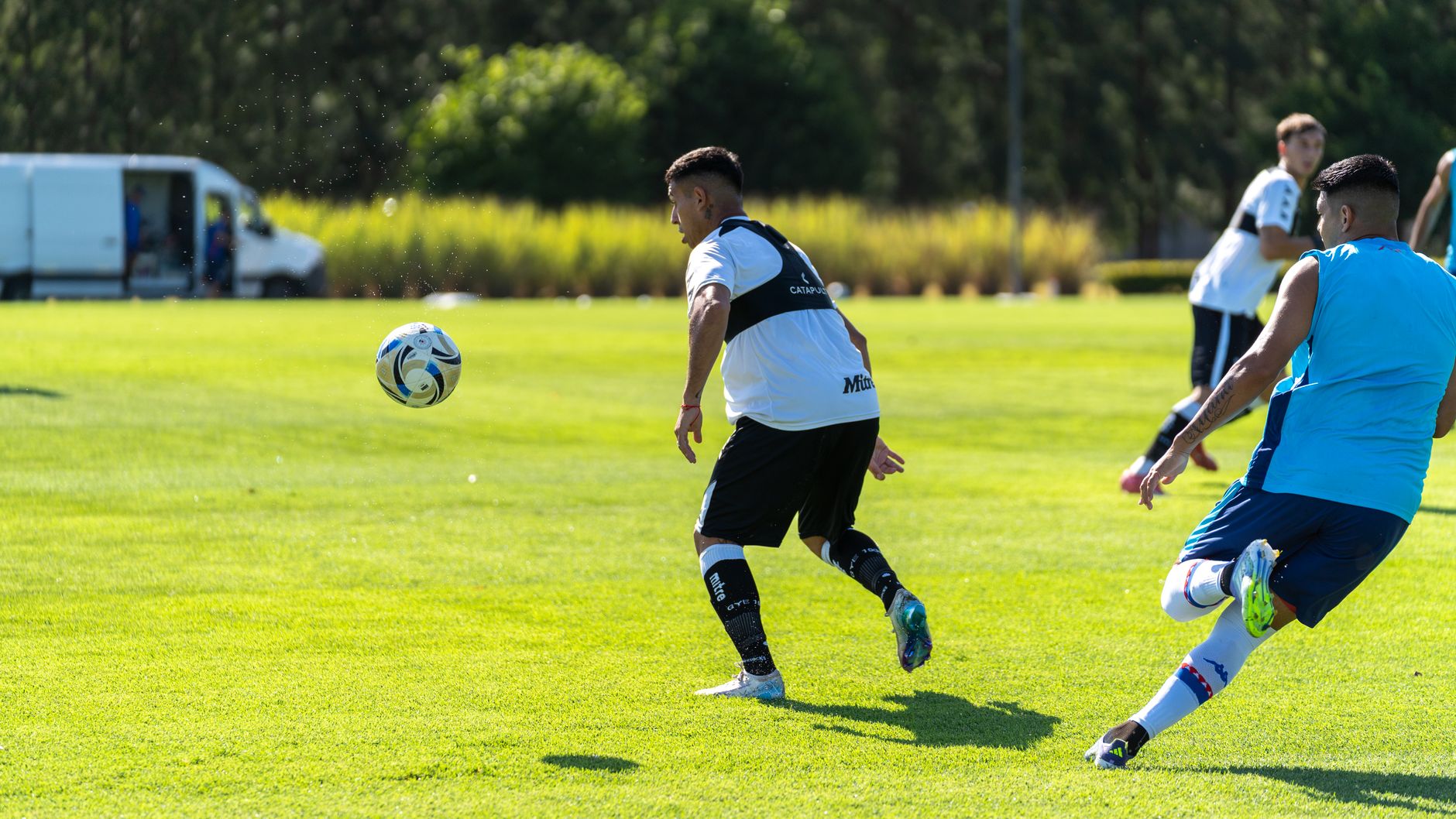
Photo by Franco Monsalvo on Pexels
What Actually Works: Portugal's Multi-Dimensional Attack
When analyzing Portugal's success against Uzbekistan, several tactical elements stand out as transferable principles applicable to future matches. The first key factor involves ball circulation in the final third. Rather than rushing attacks, Portugal maintained patient possession, waiting for gaps to emerge in Uzbekistan's defensive block.
Bruno Fernandes exemplified this approach, completing 92% of his passes while creating four clear-cut chances. His intelligence in finding half-spaces between Uzbekistan's midfield and defensive lines created recurring problems for the opposition. When Fernandes received the ball in these pockets of space, Uzbekistan's defensive structure consistently broke down.
The second effective element involved vertical passing through Uzbekistan's press. João Neves and Vitinha demonstrated exceptional vision in playing line-breaking passes that bypassed multiple defensive layers. This directness caught Uzbekistan's pressing scheme off-guard, as defenders committed forward only to see the ball played behind them.
Third, Portugal's wide players provided constant width, stretching Uzbekistan's compact defensive shape. Nuno Mendes and João Cancelo, then later replacements, delivered consistent crosses into the box. With Ronaldo, João Félix, and Rafael Leão occupying different defensive attention, the sheer number of attacking threats overwhelmed Uzbekistan's marking scheme.
What to Ignore: Overreactions to Single Match Results
While Portugal's performance deserves praise, stakeholders in standings and predictions must avoid overreacting to a single result, regardless of how impressive. Uzbekistan, despite their efforts, lacks the defensive quality and tactical sophistication of potential knockout opponents like France, Germany, or Brazil.
The contrast between Uzbekistan's 3-4-2-1 formation and top-tier teams' abilities to adapt demonstrates why group stage results require context. Elite teams analyze opponents thoroughly, adjust their approach mid-match, and possess individual brilliance capable of turning games regardless of tactical setups. Portugal's next challenges will demand higher concentration levels and more sophisticated solutions.
Furthermore, the 2026 World Cup's compressed schedule means fatigue and squad rotation become significant factors. Roberto Martínez's substitutions against Uzbekistan, bringing on Francisco Conceição, Pedro Neto, and others, reflect smart resource management. However, the real test comes when key players face accumulated minutes and minor injuries.
For those following standings and tournament predictions, the essential takeaway involves Portugal's demonstrated quality without dismissing the need for continued performance. The team possesses the talent, tactics, and temperament to compete for the World Cup trophy, but maintaining consistency across multiple high-pressure matches determines ultimate success.

Photo by RDNE Stock project on Pexels
Frequently Asked Questions
Q: What was the final score of Portugal vs Uzbekistan in the 2026 World Cup?
A: Portugal defeated Uzbekistan 5-0 in their Group Stage match. Cristiano Ronaldo scored twice (6th and 39th minute), Nuno Mendes added a goal at 17 minutes, Abduvohid Nematov scored an own goal at 60 minutes, and Rafael Leão completed the scoring at 87 minutes.
Q: How many points does Portugal have in the World Cup Group Stage standings?
A: Portugal accumulated 4 points from their first two Group Stage matches, consisting of one win and one draw. This positions them at the top of their qualifying group with strong goal differential after the 5-0 victory over Uzbekistan.
Q: What formation did Portugal use against Uzbekistan?
A: Portugal lined up in a 4-2-3-1 formation under coach Roberto Martínez. The lineup featured Diogo Costa as goalkeeper, Ruben Dias and Renato Veiga as center-backs, with João Cancelo and Nuno Mendes as full-backs. João Neves and Vitinha played as holding midfielders, while Bruno Fernandes operated behind the attacking trio.
Q: Which players scored for Portugal in the 5-0 victory?
A: Five different scorers contributed to Portugal's victory: Cristiano Ronaldo (two goals), Nuno Mendes, Abduvohid Nematov (own goal), and Rafael Leão. This goal distribution demonstrates Portugal's multi-dimensional attacking threat.
Q: What are Portugal's remaining Group Stage fixtures in the 2026 World Cup?
A: Portugal continues their Group Stage campaign with additional fixtures against remaining opponents. For complete fixture schedules, standings updates, and tactical previews, check Goal Moments' dedicated World Cup coverage page.
Q: How does this result affect Portugal's chances of winning the 2026 World Cup?
A: The 5-0 victory significantly improves Portugal's tournament prospects by securing strong group standing position and goal differential. However, knockout stage performance against higher-ranked opponents will determine ultimate success. Portugal remains among the favorites alongside France, Brazil, and England.
Q: Where can I find detailed match analysis and standings updates?
A: Goal Moments provides comprehensive coverage including match predictions, team tactics, player statistics, and live standings updates for the 2026 World Cup. Visit the site for daily insights and expert analysis from our football specialists.
Thank you for reading.
Goal Moments · The Ledger