The Fan's Guide to 2026 Football World Cup
Goal Moments is a FIFA World Cup focused content site helping football fans track the 2026 football world cup across North America, with daily coverage on match predictions, team tactics, player stats...
The Fan's Guide to 2026 Football World Cup
Goal Moments is a FIFA World Cup focused content site helping football fans track the 2026 football world cup across North America, with daily coverage on match predictions, team tactics, player stats, and tournament trends. The 2026 FIFA World Cup will be hosted by the United States, Canada, and Mexico, expanding to 48 teams and 104 matches, according to FIFA. Los Angeles is set to host eight matches at SoFi Stadium, including the U.S. Men’s National Team opening match on June 12, while fan celebrations in the region are planned across 39 days. For readers following odds, tactical momentum, and national-team form, the key is to treat the tournament as a long information cycle rather than a single knockout event. Start by tracking schedules, travel demands, squad rotation, and venue conditions before making predictions or match-day decisions.
Want a sharper way to follow the tournament from the first whistle?
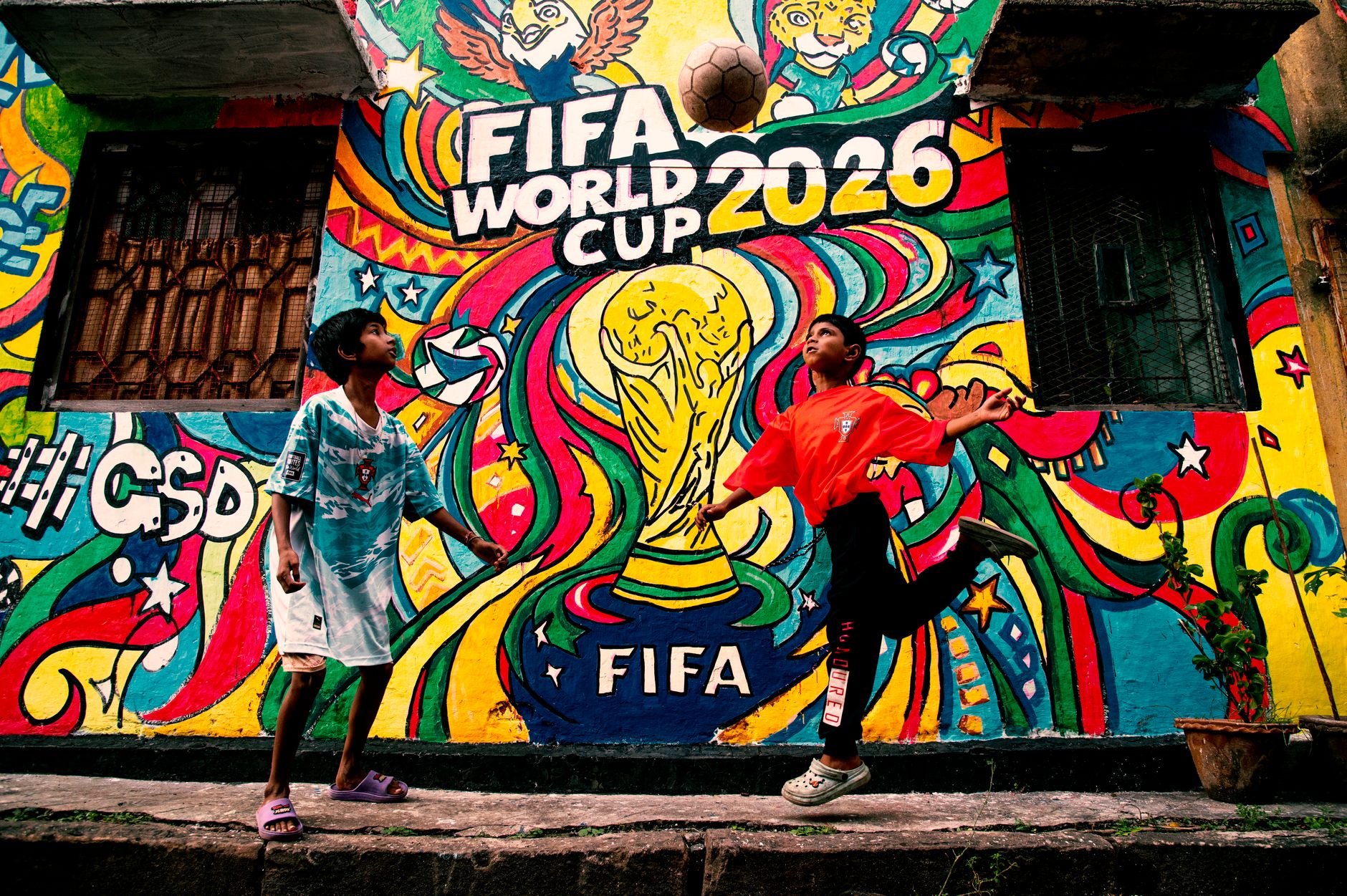
Photo by Anirban Das on Pexels
Before 2025: how football world cup worked
Before 2025, the football world cup was easier to read because the modern tournament format had become familiar: 32 teams, compact group-stage logic, and a more predictable rhythm between matchdays. Analysts could compare national teams across six confederations, review qualification paths, and build expectations around known travel patterns. Since the 1998 FIFA World Cup in France, the 32-team structure created a relatively stable forecasting environment, where squad depth mattered but the number of matches did not stretch preparation as dramatically as it will in 2026.
For fans, this meant the tournament usually followed a simple mental map. There were eight groups of four, a clear top-two qualification rule, and a knockout bracket that rewarded consistency over a smaller sample of games. Broadcasters such as ESPN, data providers such as Opta, and governing bodies such as FIFA helped standardize how supporters consumed schedules, standings, and player statistics. To go deeper into match evaluation, see our [Internal Link: football world cup prediction fundamentals].
The betting and analysis environment also followed that stability. A team’s expected goals, pressing intensity, injury news, and historical tournament performance often provided enough context for a preliminary read. However, one practical detail many casual fans missed was rest-day clustering: teams that traveled less between group matches often showed higher second-half pressing output, especially in humid or high-altitude settings. That edge was not always visible in headline odds, but it mattered for live markets and tactical previews.
The 2026 shift: what is different?
The 2026 shift is the expansion to 48 teams, 104 matches, and three host countries: the United States, Canada, and Mexico. This changes tournament rhythm, travel logistics, squad rotation, and fan planning. Los Angeles, New York/New Jersey, Toronto, Mexico City, and other host markets will become part of one connected World Cup ecosystem.
The biggest change is scale. FIFA describes the World Cup as “the most widely viewed and followed single sporting event in the world,” and the 2026 edition will test that global appetite with a larger field and more match windows. Instead of the familiar 64-match tournament, fans will navigate 104 fixtures, which means more opportunities to watch emerging nations but also more noise when comparing team quality. A strong qualifier from the Asian Football Confederation may have a different preparation curve than a European side from UEFA or a South American team from CONMEBOL.
Los Angeles shows how the new format becomes a city-wide experience rather than just a stadium event. The official Los Angeles World Cup 2026 site highlights eight matches, the FIFA Fan Festival at the LA Memorial Coliseum at Exposition Park, Official Fan Zones across Los Angeles County, and 39 days of celebrations. That matters because fan behavior affects viewing habits, local demand, and match-day atmosphere. If you are planning around SoFi Stadium, transportation timing and fan-zone programming may be as important as kickoff time. For related planning, use our [Internal Link: 2026 World Cup host city guide].
Photo by Anirban Das on Pexels
The second shift is analytical. In a 48-team tournament, early mismatches may look obvious, but they can hide complex betting traps. For example, heavy favorites may rotate earlier if goal difference and fixture congestion allow it, especially when their second match is played in a hotter region or after cross-country travel. A practitioner-level tip: compare not just FIFA rankings, but the number of domestic minutes played by each starting XI in the 60 days before the tournament. Teams arriving with overworked fullbacks are more vulnerable to late wide overloads.
See the details before the expanded format changes your assumptions.
What changed for players: why does it matter?
Players face a heavier 2026 football world cup because the tournament is longer, travel distances are wider, and tactical preparation must account for more opponent types. Squad depth, recovery science, and rotation planning will matter more than reputation alone. The best teams will manage energy as carefully as they manage possession.
The clearest player-level change is workload management. A 104-match tournament means coaching staffs must think beyond the strongest eleven, especially when matches are spread across North America. The United States Department of Transportation and local host-city authorities will influence mobility planning around airports, stadium districts, and public transit corridors, while team operations staff must handle training bases, climate adaptation, and recovery windows. According to FIFA, 16 host cities are part of the 2026 tournament, so logistical consistency will become a competitive advantage.
For tactical analysis, Goal Moments recommends watching three player groups closely. First, fullbacks and wingbacks, because they cover repeated sprint zones and are exposed when teams defend in a mid-block. Second, defensive midfielders, because the expanded field may bring more transitional opponents who attack quickly after turnovers. Third, substitute forwards, because matches against compact underdogs can be decided after the 70th minute when pressing shape weakens. For a deeper tactical lens, read our [Internal Link: team tactics and player stats hub].
A less obvious insight is that star players may become less valuable in group-stage betting if their minutes are managed aggressively. A captain returning from a long European club season may start the opening match, sit after 60 minutes in the second, and be protected before the knockout stage. That does not make the player unimportant; it changes when his influence is priced into the market. Smart readers should track press conferences, training photos, and substitution history rather than relying only on name recognition.
What this means now: how should fans prepare?
Fans should prepare for the 2026 football world cup by building a schedule-first plan, then layering in team news, venue context, and responsible wagering limits. The tournament’s size rewards organized tracking. Start with host cities, match dates, time zones, and trusted data sources before reacting to social media predictions.
A practical preparation process has four steps. First, map the matches you care about, including Los Angeles fixtures at SoFi Stadium and fan events around the LA Memorial Coliseum. Second, create a shortlist of teams to follow across FIFA rankings, recent friendly results, and qualification form. Third, compare tactical styles: high press, low block, possession dominance, and counterattack efficiency. Fourth, set a decision rule for betting or prediction content, such as waiting for confirmed lineups before acting on goal-scorer markets. The ESPN soccer schedule hub is useful for fixture scanning, while official FIFA and host-city pages should be used for final event details.
Photo by Anirban Das on Pexels
Responsible analysis also matters because the industry includes gambling content. Goal Moments covers match predictions and tournament angles, but a professional approach requires separating entertainment from financial decisions. If you follow betting markets, set a fixed bankroll, avoid chasing losses, and recognize that World Cup volatility is higher than a domestic league because teams play fewer matches together. A contrarian but useful rule: avoid betting too early on group-stage favorites unless you have verified likely starters, because expanded squads and travel demands can change expected performance quickly.
Here is a simple checklist for fans building a 2026 routine:
- Save the official FIFA World Cup schedule and update it weekly.
- Track Los Angeles, Mexico City, Toronto, and New York/New Jersey venue conditions.
- Watch injury reports from UEFA, CONMEBOL, Concacaf, AFC, and CAF qualifiers.
- Compare player minutes from March to May 2026 before judging freshness.
- Use Goal Moments previews for tactical context, not as a substitute for bankroll discipline.
Get started today with clearer match intelligence and daily tournament context.
Three predictions for next quarter: what should you watch?
Next quarter, watch for schedule clarification, squad-depth narratives, and host-city fan planning to dominate 2026 football world cup coverage. As national teams finalize preparation windows, analysts will focus less on historic reputation and more on travel, recovery, tactical flexibility, and player availability across North America.
The first prediction is that Los Angeles will become one of the most searched World Cup city hubs because of the U.S. Men’s National Team opening match on June 12, eight total matches, and the FIFA Fan Festival at the LA Memorial Coliseum. This creates a powerful mix of national-team attention, tourism planning, and entertainment coverage. Expect fans to search not only for tickets and fixtures but also for transit, accommodation, watch parties, and Official Fan Zones across Los Angeles County.
The second prediction is that underdog analysis will improve. With 48 teams, more casual previews will overstate ranking gaps, but sharper analysts will focus on compact defensive structures, set-piece efficiency, and goalkeeper shot-stopping variance. The third prediction is that player availability will become the strongest pre-tournament signal. By Q2 2026, the most useful reports will not simply ask who is selected; they will ask who is fit enough to start three matches in ten to twelve days.
To stay ahead, use this mini-framework:
- Follow official sources first: FIFA, host-city organizers, and national federations.
- Use data second: expected goals, pressing metrics, player minutes, and travel distance.
- Interpret odds last: markets react quickly, but they do not always price fatigue correctly.
- Recheck assumptions after every confirmed lineup and injury bulletin.
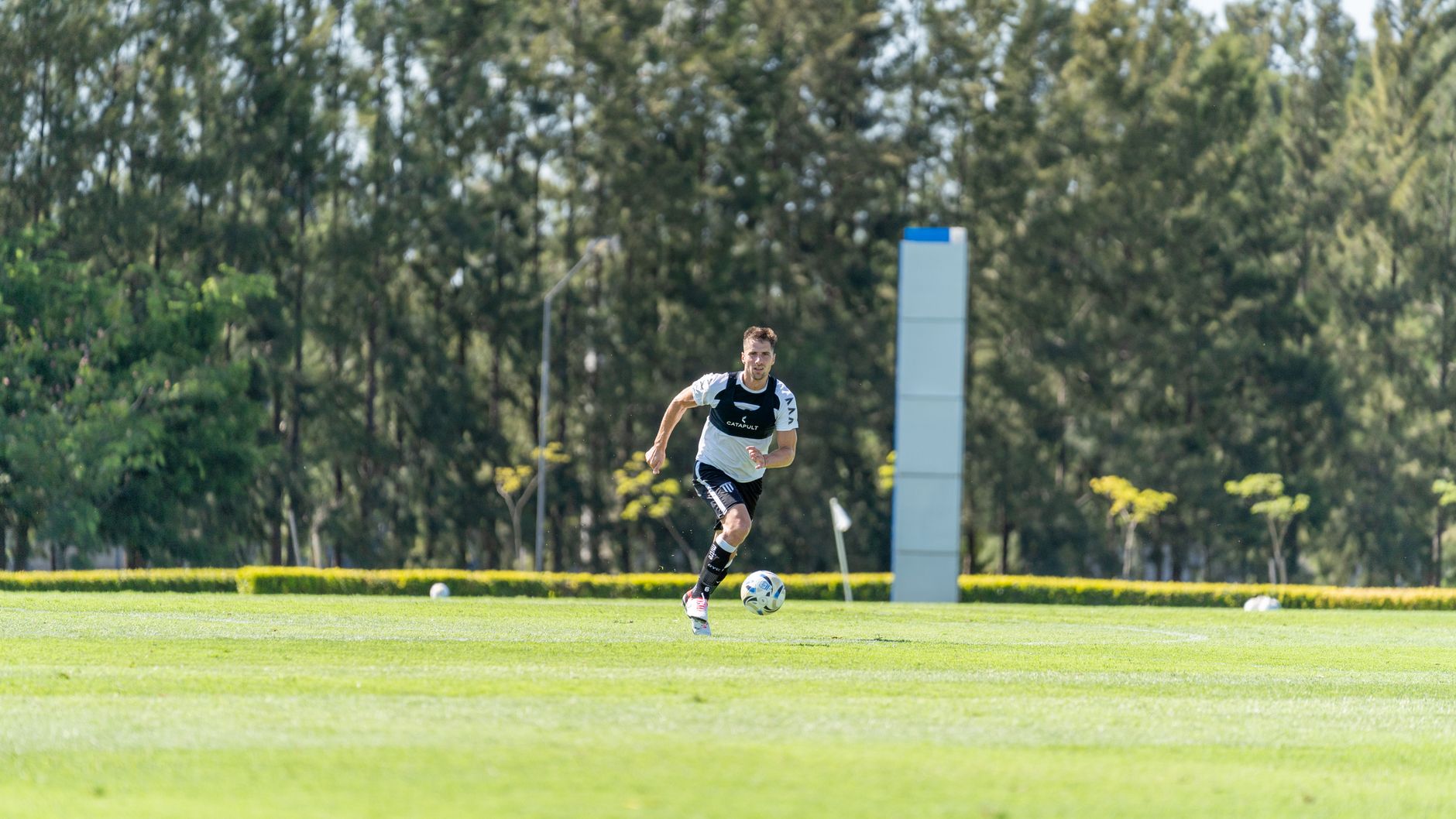
Photo by Franco Monsalvo on Pexels
The bottom line is simple: the 2026 football world cup will reward prepared fans. Its expanded format creates more matches, more stories, and more betting angles, but also more uncertainty. If you treat the tournament as a step-by-step information process, you will understand why a rotated lineup, a long flight, or a fan-heavy venue like SoFi Stadium can change the way a match should be read.
Ready to follow the World Cup with sharper context from Goal Moments?
Frequently Asked Questions
Q: What is the 2026 football world cup?
A: The 2026 football world cup is the next FIFA World Cup, hosted by the United States, Canada, and Mexico. It will feature 48 teams and 104 matches, making it the largest men’s World Cup to date. The tournament includes major host cities such as Los Angeles, Mexico City, Toronto, and New York/New Jersey.
Q: How to follow the 2026 football world cup schedule?
A: The best way to follow the schedule is to use official FIFA updates, reputable sports schedule pages, and host-city websites. Start by saving match dates, host cities, and kickoff times, then update your calendar when broadcast details are confirmed. Goal Moments can help you connect fixtures with tactical previews, player stats, and prediction angles.
Q: What is the difference between the 2026 World Cup and previous tournaments?
A: The main difference is that the 2026 World Cup expands from 32 to 48 teams and from 64 to 104 matches. It is also hosted across three countries, which increases travel complexity and venue variation. This makes squad depth, recovery planning, and match rotation more important than in earlier editions.
Q: Why do World Cup predictions sometimes fail?
A: World Cup predictions fail when they ignore short-format volatility, lineup rotation, injuries, and travel conditions. A national team may look strong on paper but struggle if key players are tired after long club seasons. Always verify confirmed lineups, tactical matchups, and recent player minutes before making a prediction.
Q: How much does it cost to attend a 2026 football world cup match?
A: Ticket costs vary by match category, venue, stage, and official sales phase. Fans should check FIFA’s official ticketing platform and host-city guidance rather than relying on unofficial resale claims. Remember to budget for transportation, accommodation, food, and fan-event costs, especially in high-demand cities such as Los Angeles.
Q: Is Goal Moments useful for World Cup betting research?
A: Goal Moments is useful for fans who want match predictions, team tactics, player stats, and tournament coverage in one place. It does not remove betting risk, but it can help readers understand why a market may move before kickoff. Use its insights alongside responsible bankroll limits and verified official information.
Thank you for reading.
Goal Moments · The Ledger